

The concept of cloud computing has been around for decades, but it was not until the early 2000s that the technology began to mature and become widely adopted.
Early Developments
1950s: The concept of “utility computing” is first proposed by John McCarthy, who suggests that computing power could be sold as a utility, like electricity.
1960s: The development of time-sharing systems allows multiple users to share a single computer system.
1970s: Virtualization technology is developed, which allows multiple operating systems to run on a single physical server.
1980s: The internet is developed, which makes it possible to access computing resources remotely.
The Rise of Cloud Computing
- 1999: Salesforce launches the first cloud-based software application, Salesforce.com.
- 2002: Amazon Web Services (AWS) is launched, providing a range of cloud computing services.
- 2006: Google App Engine is launched, providing a platform for developing and deploying web applications in the cloud.
- 2008: Microsoft Azure is launched, providing a range of cloud computing services.
Cloud Computing Today
Today, cloud computing is a mainstream technology that is used by businesses of all sizes. Cloud computing services are used for a wide range of applications, including:
- Software development and deployment
- Data storage and backup
- Web hosting
- Big data analytics
- Machine learning
Cloud computing is expected to continue to grow in popularity in the years to come. As businesses increasingly adopt cloud-based solutions, the demand for cloud computing services will continue to increase.
Key Trends in Cloud Computing
Some of the key trends in cloud computing today include:
- Hybrid cloud: Hybrid cloud environments combine public cloud services with private cloud or on-premises infrastructure.
- Multi-cloud: Multi-cloud strategies involve using multiple cloud providers to reduce vendor lock-in and improve resilience.
- Serverless computing: Serverless computing is a cloud computing model in which the cloud provider manages the servers and infrastructure, allowing developers to focus on writing code.
- Edge computing: Edge computing brings computing resources closer to the edge of the network, where data is generated and consumed.
- Artificial intelligence (AI): AI is being used to automate and optimize cloud computing tasks.
These trends are shaping the future of cloud computing and making it an even more powerful and versatile technology. computing, including:
- The rise of hybrid cloud: Hybrid cloud environments combine public cloud services with private cloud or on-premises infrastructure.
- The increasing adoption of multi-cloud: Businesses are increasingly using multiple cloud providers to reduce vendor lock-in and improve resilience.
- The growing popularity of serverless computing: Serverless computing allows developers to focus on writing code without having to worry about managing infrastructure.
- The increasing use of artificial intelligence (AI): AI is being used to automate and optimize cloud computing tasks.
The Future of Cloud Computing
Cloud computing is still a relatively new technology, and it is constantly evolving. Some of the key trends that we can expect to see in the future of cloud computing include:
- The continued growth of hybrid and multi-cloud: Hybrid and multi-cloud environments will become increasingly common as businesses seek to take advantage of the benefits of both public and private cloud computing.
- The increasing adoption of serverless computing: Serverless computing will become more popular as developers realize the benefits of being able to focus on writing code without having to worry about managing infrastructure.
- The growing use of AI: AI will play an increasingly important role in cloud computing, automating and optimizing tasks and helping businesses to gain insights from their data.
Cloud computing is a transformative technology that is changing the way businesses operate. By providing on-demand access to computing resources, cloud computing can help businesses save money, scale their operations, and improve their agility. As cloud computing continues to evolve, we can expect to see even more innovative and groundbreaking applications of this technology in the years to come.
How does cloud computing work?
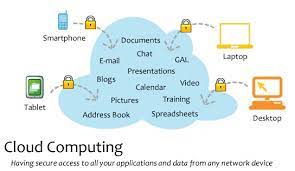
Cloud computing works by providing access to computing resources over the internet. These resources can include servers, storage, databases, networking, software, analytics, and artificial intelligence (AI). Cloud computing allows businesses to access these resources on demand, without having to purchase and maintain their own hardware and software.
Here is a simplified overview of how cloud computing works:
A user accesses a cloud computing service through a web browser or API.
The user’s request is routed to a cloud provider’s data center.
The cloud provider’s servers process the request and return the results to the user.
Cloud computing is based on the following key concepts:
- Virtualization: Virtualization technology allows multiple operating systems and applications to run on a single physical server. This makes it possible to pool computing resources and allocate them to users on demand.
- Multi-tenancy: Multi-tenancy is the ability to share computing resources among multiple users. This allows cloud providers to offer their services at a lower cost than traditional on-premises solutions.
- Self-service: Cloud computing services are self-service, meaning that users can provision and manage their own resources without having to interact with a cloud provider’s support team.
- Pay-as-you-go: Cloud computing services are typically billed on a pay-as-you-go basis, meaning that users only pay for the resources that they use.
Cloud computing offers a number of benefits to businesses, including:
- Cost savings: Cloud computing can save businesses money by eliminating the need to purchase and maintain their own hardware and software.
- Scalability: Cloud computing allows businesses to scale their IT resources up or down as needed, without having to invest in new hardware.
- Flexibility: Cloud computing gives businesses the flexibility to access IT resources from anywhere in the world, at any time.
- Reliability: Cloud computing providers offer high levels of reliability and uptime, so businesses can be confident that their data and applications will be available when they need them.
- Security: Cloud computing providers invest heavily in security, so businesses can be confident that their data is safe and secure.
- Big data analytics: Cloud computing can be used to analyze large amounts of data, so that businesses can gain insights into their customers and operations.
- Machine learning: Cloud computing can be used to train and deploy machine learning models, so that businesses can automate tasks and make better decisions.
Cloud computing is a rapidly growing industry, and it is expected to continue to grow in popularity in the years to come. As businesses increasingly adopt cloud-based solutions, the demand for cloud computing services will continue to increase.